Modern households depend on robust and safe electrical systems to power everything from kitchen appliances to personal devices. However, many homeowners overlook the dangers posed by outdated panels, insufficient wiring, and a lack of protective features. Proactively investing in safety upgrades can significantly reduce the risk of electrical fires and avoid major system failures. If you’re uncertain about the status of your home’s electrical system, consulting an electrician in Lawrence for a professional assessment and improvements is a wise choice.
Systematic upgrades not only safeguard your family but also increase your home’s energy efficiency, ensuring it’s equipped to meet today’s higher power demands and integrate cutting-edge technologies. Prioritizing these critical enhancements can help prevent costly outages and dangerous incidents, while providing peace of mind for years to come.
Early intervention and regular evaluations are vital for maintaining a secure and efficient electrical setup in your home. A professional inspection will identify weaknesses you may not notice and determine if your wiring or other components require replacement.




Upgrade to a 200-Amp Electrical Panel
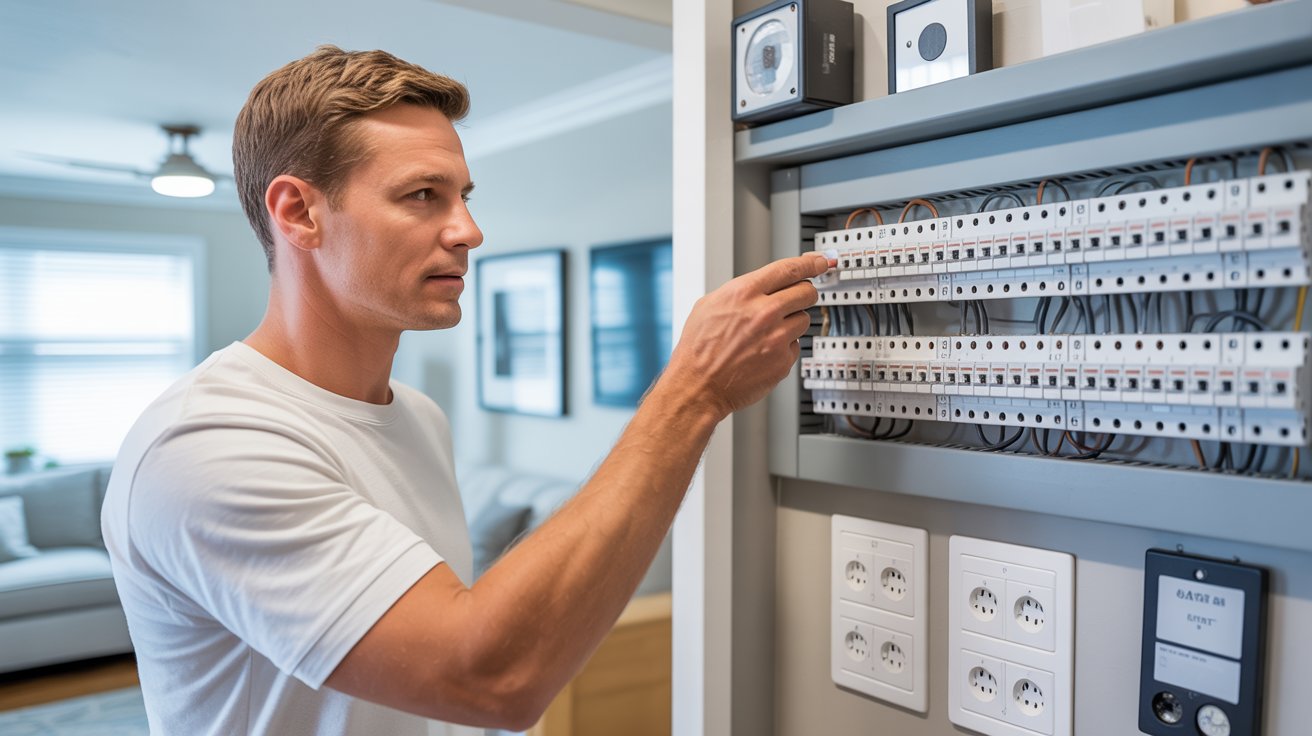
Many homes built in previous decades still use 60-amp or 100-amp panels. These were adequate when homes had fewer electrical devices, but today’s families commonly run HVAC units, electric vehicles, multiple refrigerators, and advanced home offices. Upgrading to a 200-amp electrical panel prevents dangerous circuit overloads, reduces the risk of fires, and opens the door to future expansion and smart home integrations.
Install Ground-Fault Circuit Interrupters (GFCIs)
GFCIs are essential safety devices designed to protect people from electrical shock. They quickly cut off power if an imbalance is detected (such as when water comes into contact with an electrical outlet). These outlets are required in kitchens, bathrooms, garages, and outdoor areas. For seasonal projects like Christmas lighting installation, ensuring GFCIs are functioning properly is especially important to prevent accidents. Testing your GFCIs monthly ensures they’re ready to respond to any hazard, keeping your family safe, particularly in environments with high moisture levels.
Implement Whole-Home Surge Protection
Unpredictable voltage spikes caused by storms or utility equipment failures can damage or destroy sensitive electronics and appliances in an instant. Installing a surge protection device (SPD) at your main panel diverts excess energy away from your home’s circuits, safeguarding everything from your flat-screen TV to smart refrigerators. This investment helps avoid expensive replacements and hassle from unexpected failures.
Upgrade to Smart Circuit Breakers
Today’s smart circuit breakers offer homeowners unprecedented control and peace of mind. Accessible remotely through mobile apps, they enable you to monitor energy use, receive alerts about irregular activity, and even shut down circuits in the event of faults. This technology is especially useful for families with children or elderly individuals, adding a critical layer of safety and convenience.
Schedule Regular Electrical Inspections
Routine electrical inspections by licensed professionals are a cornerstone of home safety. A comprehensive examination uncovers outdated components, improperly wired outlets, and the early signs of wear that could otherwise go unnoticed. Proactive troubleshooting can prevent devastating fires and costly code violations.
Consider Arc-Fault Circuit Interrupters (AFCIs)
AFCIs are specialized breakers that detect hazardous arc faults, a leading cause of electrical fires in homes. While GFCIs are installed to prevent shock, AFCIs protect your home against hidden wiring defects and device malfunctions that can occur behind walls and outlets. Many modern building codes now require AFCI protection in bedrooms and main living areas to significantly reduce the fire risk.
Replace Outdated Wiring
If your home has original knob-and-tube or aluminum wiring, it’s time for an upgrade. These types of wiring are prone to fraying, overheating, and poor connections. Modern copper wiring, combined with proper insulation and updated installation techniques, meets current safety standards and reduces insurance premiums.
Install Smart Home Technology
Smart thermostats, lighting controls, and home security devices not only improve energy efficiency but also enhance safety and security. These devices allow you to monitor your home’s systems in real-time, set schedules to optimize usage, and receive alerts for unusual activity—even when you’re away. Many insurance companies may also offer discounts for homes equipped with approved smart technologies.
Final Thoughts
Taking these proactive steps will help keep your household protected from electrical hazards while improving efficiency, comfort, and long-term value. Investing in regular upgrades and expert guidance ensures your home remains a haven for everyone inside.
Do Read: What to Look For During a Home Inspection: Essential Checkpoints for Buyers