Every parent wants their child to have a bright, healthy smile that lasts a lifetime. Establishing strong dental habits from an early age helps ensure kids grow up free from preventable dental concerns like cavities and gum disease. Early intervention with the help of professional services such as Williamsburg Pediatric Dentistry can help children and parents alike develop routines that lead to healthy, confident smiles.
Oral hygiene for infants and children should start even before the first teeth erupt. Gently cleaning a baby’s gums with a soft, damp cloth removes bacteria and helps them become comfortable with oral care. As teeth come in, brushing with an age-appropriate toothbrush and a smear of fluoride toothpaste helps build the foundation for sound oral health throughout adolescence and into adulthood.
Role of Parents in Dental Care
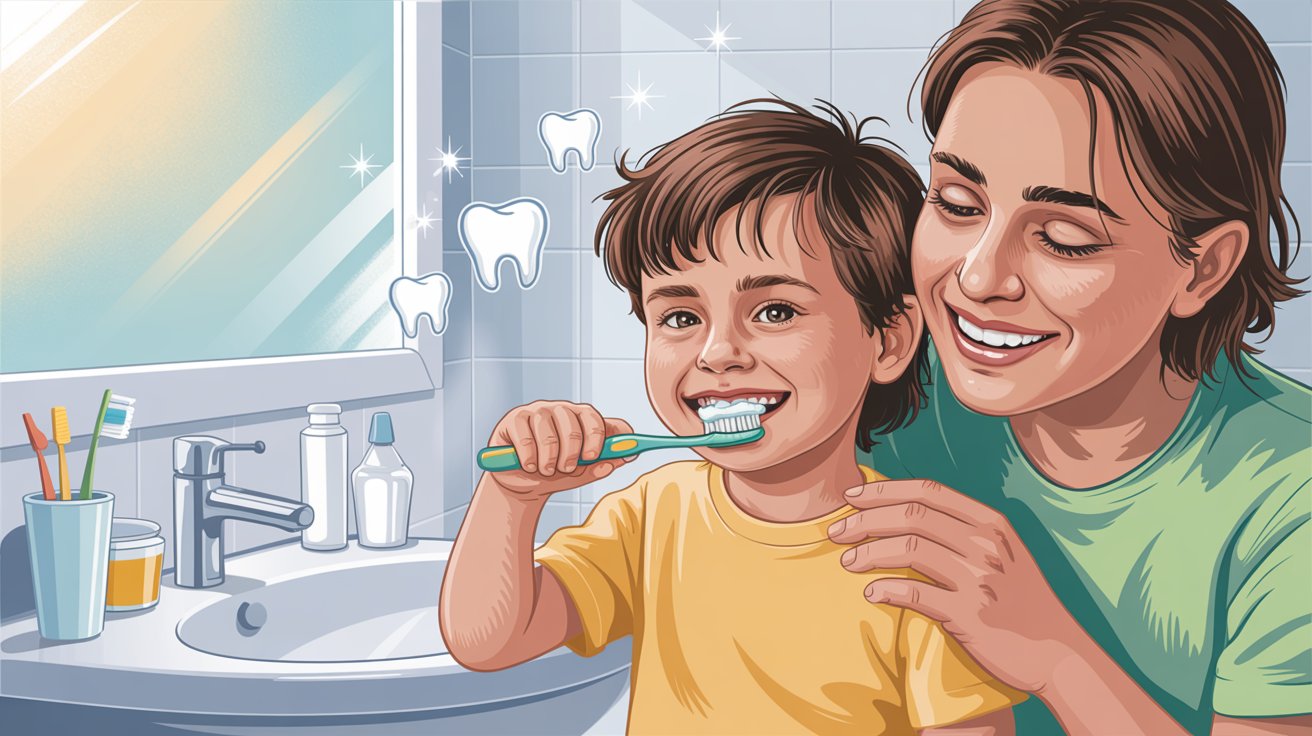
Parents are the primary influencers of their children’s dental routines. Kids are more likely to embrace brushing and flossing when parents model these habits consistently and enthusiastically. Demonstrating how to brush effectively—using small circles along the gumline—and teaching gentle flossing between teeth helps young ones understand the correct techniques. The act of brushing together can turn oral hygiene into a positive family routine rather than a chore.
You might also like




Additionally, parents can set the stage for successful oral health by ensuring consistency and encouragement. Allowing children to select their toothbrush or toothpaste flavor and offering age-appropriate explanations about the importance of oral care can make daily routines less daunting. Providing praise and small incentives for regular brushing and flossing further cements these lifelong habits.
First Dental Visit Timing
Introducing children to their dentist early normalizes dental care and helps prevent dental anxiety as they grow. Routine early visits allow dentists to monitor dental growth, provide preventive guidance, and catch potential concerns before they escalate. More details on early dental care for children can be found on US News Health. These initial visits also give parents a chance to learn about teething, cleaning baby teeth, and the effects of thumb-sucking or pacifier use. Dentists can educate parents on fluoride needs, cavity prevention, and age-appropriate oral care tools. Building trust between child, parent, and dentist at this stage helps foster a lifelong positive attitude toward dental visits.
Dietary Influences on Oral Health
The foods and beverages children consume significantly affect their dental health. Diets rich in sugary or starchy snacks can fuel bacteria that lead to tooth decay. Reducing the frequency of sugary snacks and encouraging healthier options—like crunchy vegetables, cheese, and yogurt—supports strong teeth and gums. Water should be the drink of choice, especially after meals and before bedtime, to help wash away food particles and reduce acid attacks on enamel. Setting boundaries around juice or sweetened beverages can significantly reduce the risk of cavities. When children crave flavored drinks, offer water infused with fruit slices as a healthier alternative.
Common Mistakes to Avoid
Many parents mistakenly believe that the health of baby teeth is less critical since these teeth will eventually fall out. However, baby teeth act as crucial placeholders for their adult successors, guiding jaw development and maintaining space. Neglecting care for primary teeth can lead to painful infections, misaligned adult teeth, and more complex orthodontic needs later in life.
Another frequent mistake is using too little or too much fluoride. A pea-sized amount of fluoride toothpaste is ideal for children ages three and up, while a smear is sufficient for younger kids. Swallowing toothpaste in excess can lead to fluorosis, but omitting it entirely reduces cavity resistance.
Long-Term Benefits of Early Care
Children who develop positive dental habits early are more likely to continue those routines independently in adulthood. Preventing cavities, gum disease, and orthodontic complications means fewer missed school days, less discomfort, and reduced financial burdens associated with extensive dental work. Dental health is also tied to overall well-being, as bacteria from oral infections can affect other areas of the body, including the heart.
The investment parents make in guiding their child’s oral hygiene pays lifelong dividends, promoting sustained health, confidence, and quality of life.
Conclusion
Establishing strong dental habits from an early age lays the foundation for a lifetime of healthy smiles. By involving parents, scheduling early dental visits, encouraging a healthy diet, and avoiding common mistakes, children can develop routines that help prevent cavities, gum disease, and other oral health issues. Early care not only supports physical well-being but also builds confidence and fosters positive attitudes toward dental visits. Investing time and attention in children’s oral health today ensures lasting benefits for their future.
Do Read: Dayalases Explained: A Comprehensive Guide to Treatment Options, Procedures, and Daily Life