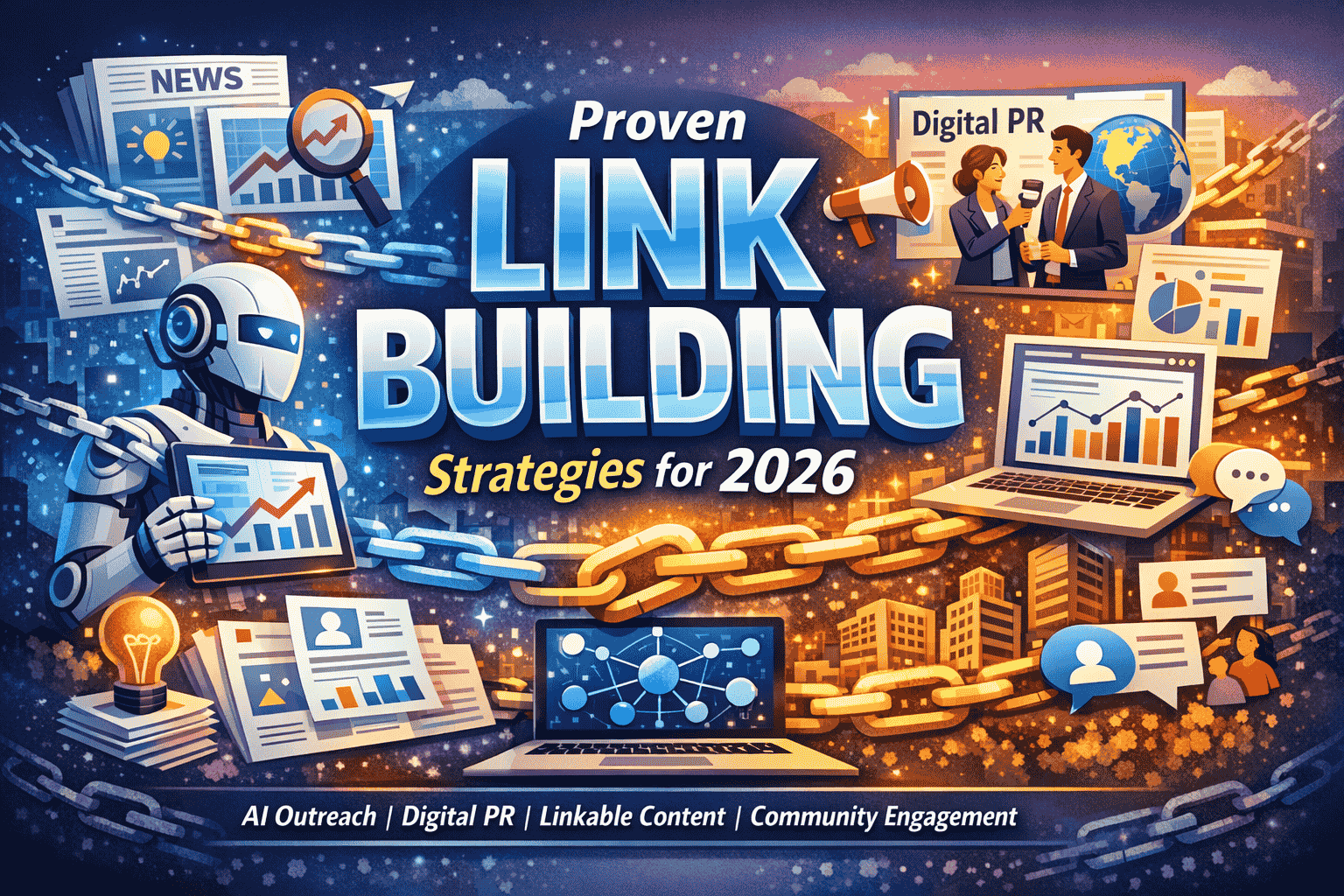
Link building remains a cornerstone of successful search engine optimization (SEO) strategies; however, the techniques that work best are continually evolving. As we move into 2026, marketers must prioritize sustainable link building that aligns with how search engines evaluate website credibility. Not all links are created equal—focusing on the right kind of links and using modern tools is key for driving rankings and online visibility. For a deeper dive into practical tips and industry expertise, explore a reputable source of inbound linking for actionable tactics and guidance. The dynamic SEO ecosystem requires businesses to consistently refresh their approach and embrace the technologies and tactics that lead to genuine, authoritative links. From harnessing AI for outreach to engaging online communities and leveraging digital PR, 2026’s most effective link-building strategies are as much about relevance and relationships as they are about authority and trust. Keeping up with the latest trends means not only protecting your rankings but also expanding your traffic from quality sources that matter most.
Prioritizing Relevance in Link Acquisition
Relevance is now paramount when assessing potential backlink partners. Google’s algorithms are increasingly sophisticated at determining whether a link originates from a site that’s contextually related to yours, giving higher weight to niche-relevant backlinks. For example, a link from a respected SEO publication will have a more powerful impact on an SEO agency’s site ranking compared to a generic high-domain authority link from an unrelated sector. When planning your link-building campaigns, focus your outreach on publications and websites that sit firmly within your industry vertical.
Harnessing AI for Backlink Prospecting
The rise of artificial intelligence in SEO is making it easier and faster to discover valuable backlink prospects. With AI-driven platforms, marketers can sift through large datasets to identify domains that not only have strong authority but also a contextual fit. These tools can help automate tasks such as domain quality scoring and even suggest personalized outreach templates, allowing your team to prioritize contacts with the highest potential benefits and response rates. Tools that leverage AI are essential as competition for high-value backlinks has intensified.
You might also like




Engaging in Digital PR for High-Authority Links
Digital PR is proving to be one of the most sustainable methods for earning high-authority backlinks. By investing in newsworthy content—such as new industry reports, original data, or expert commentary—your brand can attract attention from journalists and editors at respected online publications. This approach, when paired with traditional PR tactics and effective media outreach, yields backlinks from reputable news sites and industry authorities that can lead to a significant improvement in both search visibility and brand reputation.
Creating Linkable Assets to Attract Natural Backlinks
Content that provides substantial value to a specific audience often earns links naturally. These linkable assets might include comprehensive guides, robust infographics, industry research, or interactive resources such as calculators or comparison tools. The goal is to produce materials that are so helpful or unique that others feel compelled to reference and share them in their own content. Well-promoted linkable assets can attract hundreds of natural inbound links over time and serve as evergreen resources for your domain’s authority.
Participating in Niche Communities for Organic Link Growth
Consistent, authentic engagement within relevant forums, Q&A sites, and social media groups can lead to trustworthy backlinks. By sharing expertise, answering niche-specific questions, and participating in industry discussions, you establish thought leadership, which often results in other members referencing your website as a resource. Over time, this establishes a foundation for organic links that are credible and resilient to future search algorithm updates.
Utilizing Broken Link Building Techniques
Broken link building remains a timeless strategy. This strategy involves identifying pages within your niche that have links pointing to outdated or non-functional resources, and then reaching out to webmasters with a suggestion to replace those links with your improved, relevant content. Not only are you providing a solution, but you’re also increasing the overall quality of their resource—making it a compelling win-win proposal. Tools like Ahrefs and SEMrush can help efficiently surface these broken link opportunities.
Leveraging Multimedia Content for Link Acquisition
Multimedia content such as videos, audio podcasts, and interactive infographics is particularly effective for link earning. These assets tend to be more engaging, highly sharable, and attractive for syndication by bloggers and publishers. A well-produced explainer video or a podcast featuring recognized industry experts is more likely to be referenced by authoritative sites, giving you a diverse range of inbound links across platforms like YouTube, Apple Podcasts, and significant industry blogs.
Monitoring and Analyzing Link Building Efforts
Ongoing measurement and adjustment of your link-building activities are crucial. Use Google Analytics and advanced SEO tools to track which link-building tactics are driving the most referral traffic, impacting rankings, and contributing to domain authority. This data-driven approach empowers you to double down on the strategies that work while discontinuing ineffective efforts, ensuring that your link building remains efficient and ROI-positive as the industry evolves.
Adopting these forward-looking strategies in 2026 will give your business a distinct advantage in the search landscape. By prioritizing relevance, leveraging powerful digital tools, and creating valuable content, you can attract the kind of high-quality backlinks that deliver long-term SEO success.
Do Read: hd[d fsj Explained: Meaning, Relevance, and Real‑World Value in Digital Storage