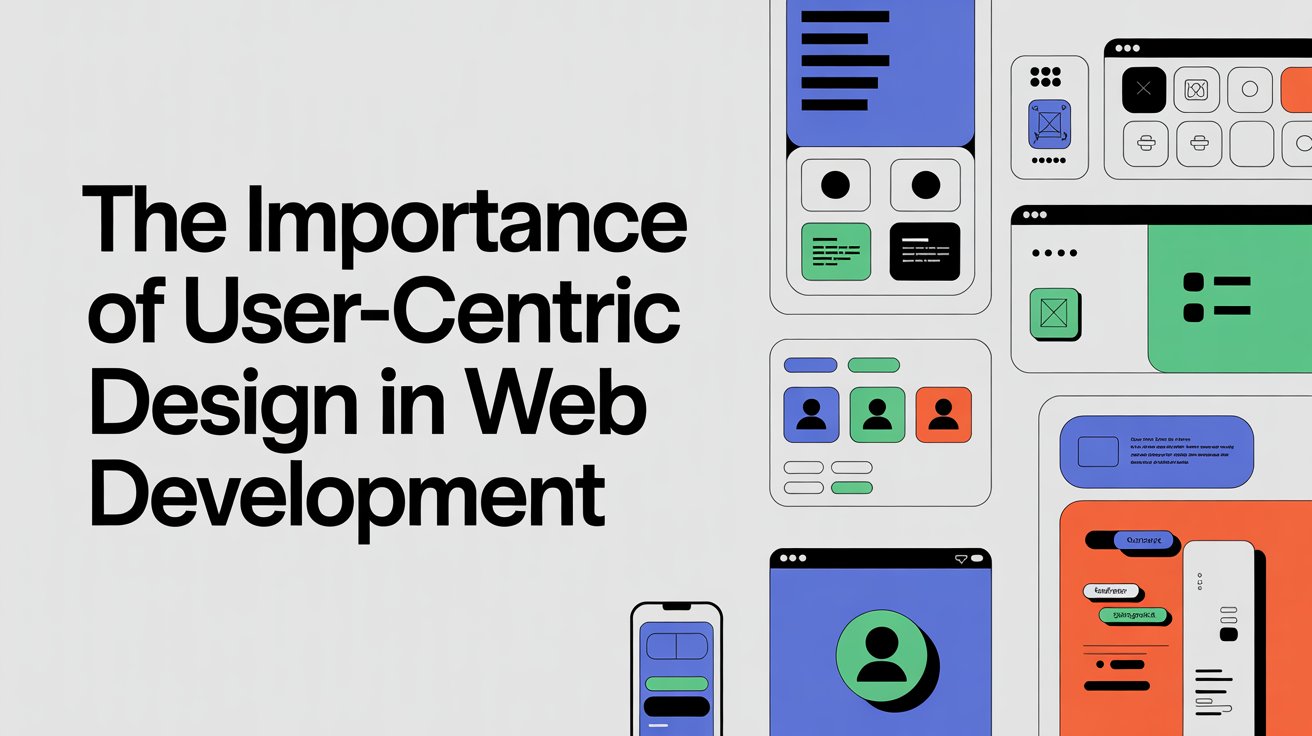
In the rapidly evolving world of web development, the concept of user-centric design has become integral to creating successful digital experiences. With the internet becoming increasingly saturated with websites and web applications, standing out requires more than just aesthetic appeal. It demands a thorough understanding of the end-user’s needs, preferences, and behaviors.
Understanding User-Centric Design
User-centric design is an approach that places the user at the forefront of the design and development process. It involves designing digital interfaces and experiences that are intuitive, accessible, and enjoyable for users. This approach prioritizes usability and functionality, ensuring that the user’s experience is seamless from start to finish.
Key principles of user-centric design include simplicity, consistency, feedback, and accessibility. These principles guide designers and developers in creating interfaces that are not only visually pleasing but also easy to navigate and interact with.
You might also like




The Role of User-Centric Design in Web Development
Incorporating user-centric design in web development is essential for engaging and retaining users. A website or application that meets the user’s needs effectively will likely see higher engagement rates, lower bounce rates, and increased user satisfaction. This, in turn, can lead to greater conversion rates and customer loyalty.
For instance, a website offering digital marketing services must ensure that its design facilitates easy access to information, clear navigation paths, and quick contact options. By prioritizing user experience, businesses can foster trust and encourage repeat visits.
Benefits of User-Centric Design
The benefits of adopting a user-centric design approach are manifold:
- Improved User Satisfaction: When users find a website easy to use and navigate, their satisfaction levels increase, leading to positive interactions and feedback.
- Increased Conversion Rates: A well-designed user journey can significantly boost conversion rates as users are more likely to complete desired actions, such as making a purchase or signing up for a newsletter.
- Enhanced Brand Reputation: A user-centric approach helps build a positive brand image, as users are more likely to recommend a service or product if they have had a good experience.
- Reduced Development Costs: By identifying user needs early in the design process, businesses can avoid costly redesigns and iterations down the line.
Implementing User-Centric Design
To effectively implement a user-centric design, web developers and designers should engage in user research, including surveys, interviews, and usability testing. This research provides valuable insights into user behaviors and preferences, enabling the creation of personas and user journeys that inform the design process.
Prototyping and iterative testing are also crucial. By testing designs with real users and gathering feedback, developers can refine and enhance the user experience, ensuring that the final product aligns with user expectations.
Conclusion
In today’s competitive digital landscape, user-centric design is not just a trend but a necessity. It represents a commitment to understanding and meeting the needs of users, resulting in digital experiences that are not only functional but also delightful. As businesses and developers strive to create impactful online presences, embracing a user-centric approach will be key to success.
Ultimately, user-centric design is about creating meaningful connections between users and technology, paving the way for a future where digital interactions are as intuitive and engaging as possible.
Do Read: Mekka Mellia Blog Explained: In-Depth Content Review, SEO Structure, and Credibility Insights