The evolution of cities and towns hinges on the vision and expertise of land development civil engineers. Tasked with transforming undeveloped tracts into thriving communities, these professionals are cornerstones in shaping resilient infrastructure systems. Their specialized skill set ensures that growth is both sustainable and strategically planned, balancing project ambitions with essential regulatory and environmental standards. When working with a qualified land development civil engineer, stakeholders secure the guidance needed to navigate the complex landscape of modern civil projects.
Civil engineers in land development engage in every step of a project’s life cycle, from preliminary site evaluations through design, permitting, and construction oversight. As infrastructure demands intensify due to population growth and climate adaptation, these experts are increasingly central to building communities that are functional, environmentally responsive, and compliant with evolving codes.
As urban areas expand and society seeks more innovative solutions for growth, land development civil engineers play an instrumental role in shaping the frameworks that will sustain future generations. Their work extends beyond technical proficiency to include collaboration, innovation, and stewardship of both natural and built environments.
You might also like



With such a significant impact on the quality, safety, and longevity of developed spaces, it is crucial to understand the diverse responsibilities, emerging challenges, and transformative trends within the field.
Key Responsibilities of Land Development Civil Engineers
- Site Evaluation and Feasibility: Before any construction begins, civil engineers conduct in-depth assessments of the proposed site. This includes analyzing topography, soil stability, and environmental conditions to determine the practical and economic viability of a project. Tools like topographic maps provide critical insights into elevation changes, drainage patterns, and terrain features, helping engineers make informed decisions. Resources and guidance on these maps can be found through USGS educational resources on topographic mapping. Such early investigations help anticipate challenges, prevent costly mistakes, and ensure projects align with local environmental considerations.
- Conceptual Site Layout: After site feasibility is established, engineers collaborate with architects and planners to create conceptual site layouts. This stage addresses building placement, road alignments, and lot division, all designed to optimize land use, infrastructure efficiency, and community connectivity.
- Grading and Drainage Design: Effective grading and drainage systems are essential for protecting structures, reducing erosion, and managing stormwater. By developing tailored plans, land development engineers ensure that the site remains stable and that surface water is safely directed away from buildings, minimizing flood risks and environmental harm.
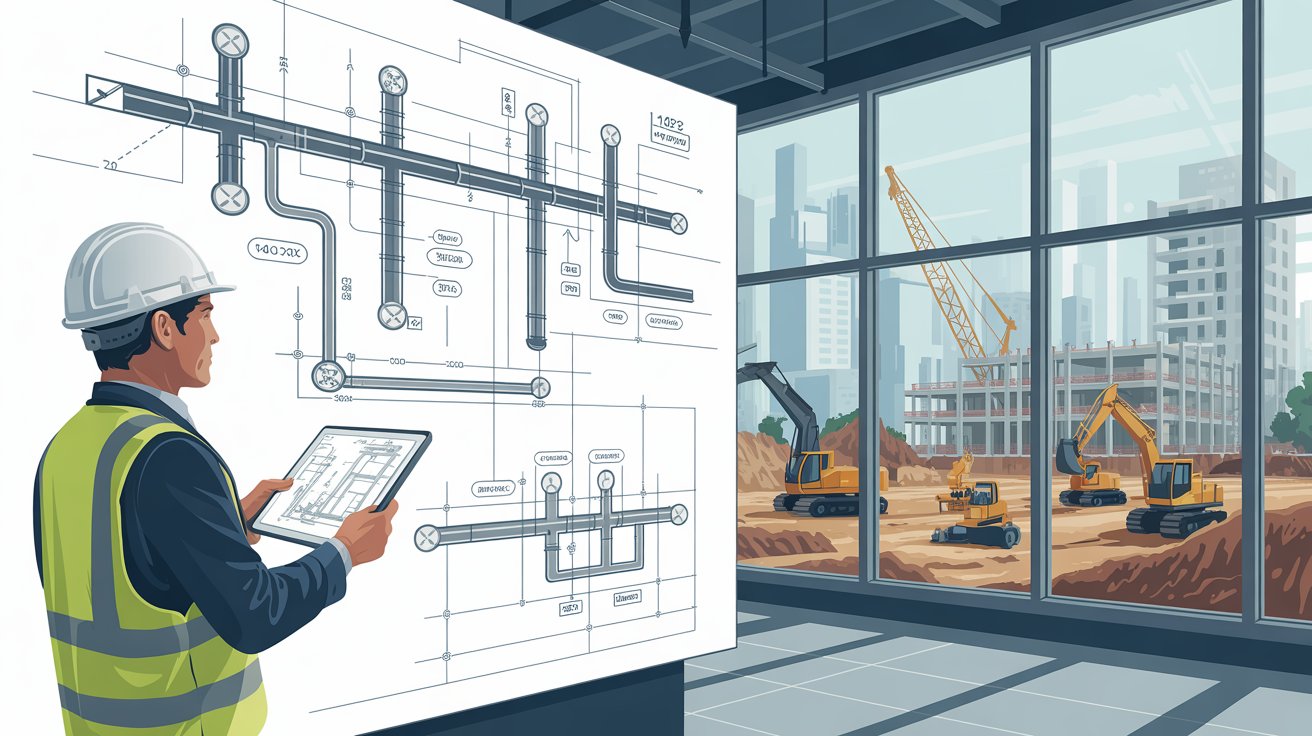
- Utility Design and Coordination: Sites must be equipped with essential utilities, including water, sewer, electricity, gas, and telecommunications. Civil engineers are responsible for designing, routing, and coordinating these networks with local utility providers to ensure seamless integration and service reliability for future residents or businesses.
- Regulatory Compliance and Permitting: Navigating a mosaic of zoning laws, environmental standards, and safety regulations is critical. Civil engineers manage the process of obtaining the numerous permits required from local, state, and sometimes federal bodies, ensuring that all legal conditions for project commencement are met.
- Construction Support: During the build phase, the engineer’s oversight is vital to maintaining fidelity to the design documents. They provide technical support and verify that development aligns with agreed-upon specifications, ensuring long-term structural integrity and compliance.
Technological Innovations in Land Development
Recent years have witnessed a technological revolution in land development, with digital tools now defining the modern engineering process:
- Building Information Modeling (BIM): Engineers leverage BIM to create detailed digital representations of their designs. These 3D models aid in identifying and resolving potential conflicts early, fostering collaboration among multidisciplinary teams, and minimizing costly errors during construction.
- Geographic Information Systems (GIS): GIS enables engineers to analyze and visualize spatial data, supporting optimal decision-making for site planning, environmental impact evaluations, and resource allocation.
- Drones and Artificial Intelligence: Drones provide rapid, high-resolution site surveys and mapping, streamlining project timelines. Meanwhile, AI-driven analytics power predictive modeling for maintenance and risk management, boosting both safety and efficiency on site.
Sustainable Practices in Land Development
There is a growing commitment within the profession to advance sustainability and minimize environmental footprints. Land development engineers incorporate eco-friendly materials, prioritize natural resource conservation, and embed green infrastructure such as parks, bioswales, and permeable pavements. Integrating renewable energy systems and water-efficient fixtures has become increasingly common as codes and consumer demand shift toward sustainable building solutions.
These efforts not only protect ecosystems and biodiversity but also create healthier, more resilient communities better prepared to face the challenges posed by climate change.
Future Trends in Land Development Engineering
- Smart Cities and IoT Integration: As urban landscapes become increasingly “intelligent,” land development engineers are instrumental in planning and executing infrastructure that interacts with Internet of Things (IoT) sensors to optimize traffic, utility use, and public safety.
- Climate-Resilient Infrastructure: An increased focus on resilience is reshaping how engineers design roads, buildings, and public utilities, aiming to withstand more frequent or severe weather events.
- Modular and Prefabricated Construction: Off-site manufacturing of building components is gaining popularity for its ability to reduce waste, accelerate timelines, and enhance quality control, promising a more sustainable and cost-effective approach to future projects.
Conclusion
Today’s land development civil engineers are at the forefront of building communities that are safe, vibrant, and future-ready. Their expertise in blending technical innovation, regulatory compliance, and sustainable design is pivotal in creating infrastructure that not only stands the test of time but also enhances the quality of life for all. As society navigates unprecedented environmental, technological, and demographic change, the contributions of these professionals are more crucial than ever.
Do Read: Essential Tips for Selling a House in the Current Market